
Exterior House Painting in Peoria IL: Protecting Your Home from Illinois Weather

Wyatt Cote • February 25, 2026
Empty white image.

Why Exterior Painting Is Critical in Peoria IL
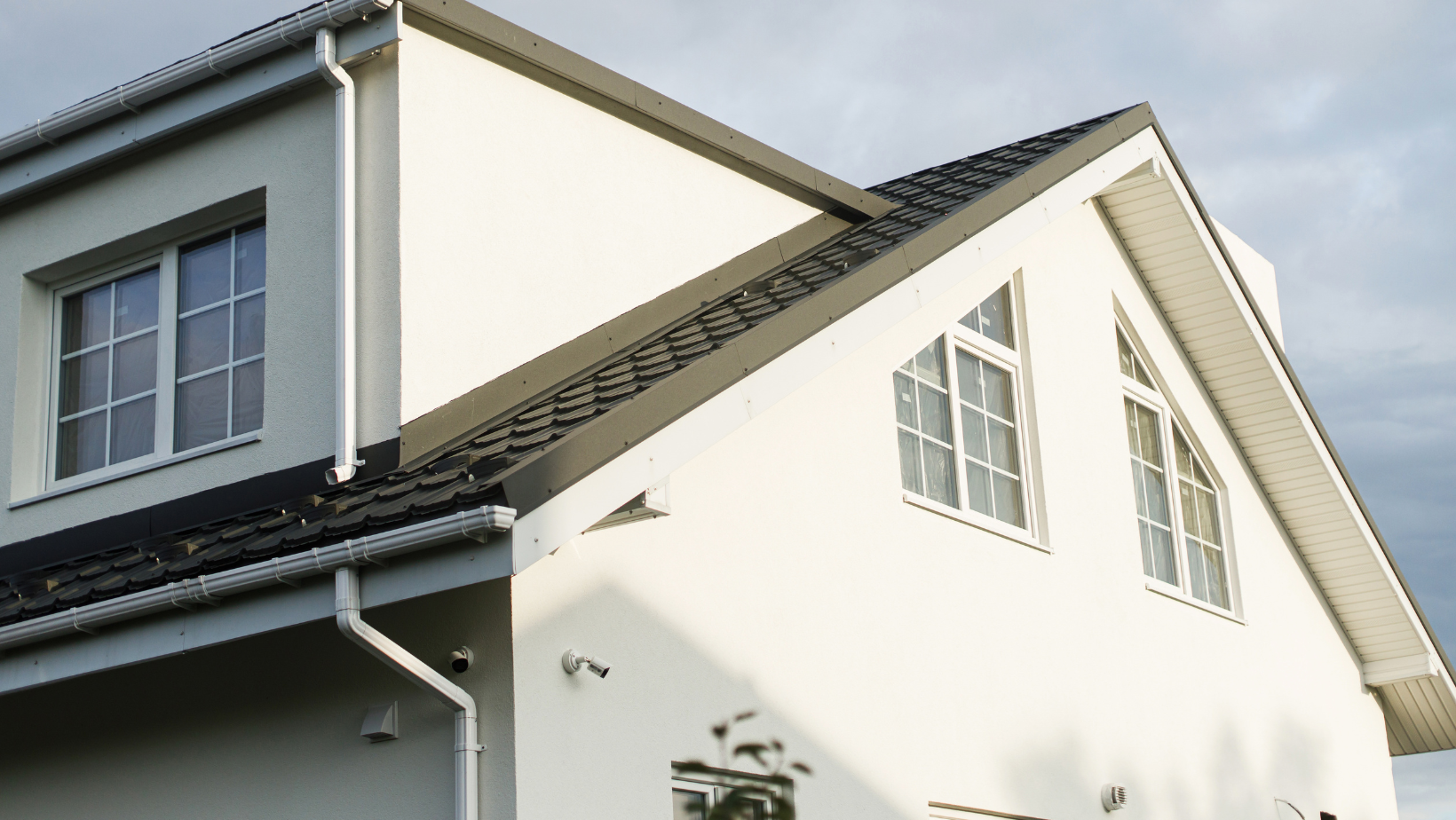

White house with dark roof and windows under a cloudy sky.

Exterior house painting in Peoria IL is essential due to harsh Midwest weather conditions. Homes experience freezing winters, humid summers, rain, UV exposure, and temperature swings that break down paint over time.

Professional exterior painting protects:

  • Siding
  • Trim
  • Fascia
  • Soffits
  • Wood surface


What Is the Process for Exterior Painting?

A proper exterior paint job includes:

  1. Power washing
  2. Scraping and sanding loose paint
  3. Caulking cracks
  4. Priming exposed surfaces
  5. Applying weather-resistant coatings

Skipping prep work leads to premature peeling and moisture intrusion.


How Often Should You Paint Your Home Exterior in Peoria?

Most homes in Central Illinois require exterior repainting every 5–10 years depending on siding type and exposure. Wood surfaces may require more frequent maintenance.


Benefits of Hiring a Local Peoria Painting Contractor

Local painters understand:

  • Illinois humidity cycles
  • Freeze-thaw damage
  • Regional building materials
  • Proper paint formulations for the Midwest

Fresh Paint Renovations serves Peoria, Dunlap, Morton, Pekin, and surrounding communities.


Need exterior house painting in Peoria IL? Contact us for a free consultation or request a FREE ESTIMATE.


Man on a scaffold applying drywall mud to a wall inside a room with windows.
By Wyatt Cote February 24, 2026
Looking for interior painting in Peoria IL? Learn costs, timelines, and what to expect before hiring a local painting contractor.
January 28, 2024
Got the urge to paint? Well, before you dive into the colorful world of painting, it's crucial to lay the groundwork and prepare your walls for paint . These insightful tips and nifty tricks will guarantee flawless results when painting any room in your humble abode. While not every surface demands an extensive preparation routine, we strongly urge you to meticulously inspect all surfaces before painting and take necessary actions accordingly. 1. Clean the wall: Remove any dirt, dust, and grease from the wall using a mild detergent and water. Scrub the surface gently with a sponge or soft cloth. 2. Repair any damages: Fill in any holes, cracks, or dents in the wall using spackling paste or putty. Smooth the surface with a putty knife and let it dry completely. 3. Sand the wall: Use sandpaper or a sanding block to smooth out any rough patches or uneven areas on the wall. This will help the paint adhere better to the surface. 4. Remove old paint or wallpaper : If there is old paint or wallpaper on the wall, consider removing it before painting. Use a scraper or putty knife to peel off the old layers, and then sand the wall to remove any remaining residue. 5. Apply primer: Priming the wall is essential to create a smooth and even surface for the paint. Choose a primer suitable for your wall type (e.g., drywall, plaster, or wood) and apply it evenly using a roller or brush. Let the primer dry completely before proceeding. 6. Protect surrounding areas: Cover any furniture, floors, or fixtures near the wall with drop cloths or plastic sheets to prevent paint splatters or spills. 7. Tape off edges: Use painter's tape to mask off any areas you don't want to be painted, such as trim, windows, or door frames. Ensure the tape is applied firmly and straight for clean lines. 8. Choose the right paint: Select a high-quality paint suitable for your wall type and desired finish. Consider factors like durability, washability, and color options. 9. Stir the paint: Before applying the paint, thoroughly stir it to ensure an even consistency. This will help prevent streaks or clumps on the wall. 10. Start painting: Use a roller or brush to apply the paint in even, overlapping strokes. Start from the top and work your way down, allowing each coat to dry completely before applying the next one. Fore more tips check out this information from Sherwin-Williams . Call Fresh Paint Renovations for a Free estimate. (309) 214-4477 .
January 28, 2024
The frequency of painting the home's exterior depends on various factors such as the type of paint used, the climate, and the condition of the current paint job. However, a general guideline is to repaint the exterior every 5-10 years. It’s important to inspect the paint regularly for signs of wear, fading, peeling, or cracking, and to address any issues promptly to prevent further damage. Additionally, some homeowners may choose to repaint more frequently for aesthetic reasons or to maintain the value of their property. Here are 10 signs it’s time to paint: Fading: If the color of your exterior paint has significantly faded, it's a clear sign that it's time for a fresh coat of paint. Peeling or cracking: When the paint starts to peel or crack, it not only looks unsightly but also exposes the underlying surfaces to potential damage from moisture. Chalking: If you notice a powdery residue on the surface of your paint, known as chalking, it means the paint is deteriorating and needs to be repainted. Blistering: Blistering occurs when bubbles or blisters form under the paint film, usually due to moisture or heat. This is a sign that the paint is not adhering properly and needs to be repainted. Mold or mildew growth: If you notice mold or mildew on the exterior walls, it's a sign of moisture problems and indicates that the paint may not be protecting the surface adequately. Stains or discoloration: Stubborn stains or discoloration that cannot be removed through cleaning may require a fresh coat of paint to restore the appearance of the exterior. Fungus or algae growth: If you notice the growth of fungus or algae on your exterior walls, it's a sign that the paint is no longer providing a protective barrier against moisture. Wood rot or decay: If you have wooden siding or trim and notice signs of rot or decay, it's crucial to address the issue promptly by repainting and repairing the damaged areas. Significant wear and tear: If your exterior paint has significant wear and tear, such as scratches, dents, or chips, it's a good indication that it's time for a new coat of paint to refresh the appearance. Outdated appearance: Lastly, if you feel that your home's exterior paint looks outdated or doesn't match your desired aesthetic, repainting can give it a fresh, updated look.
Show More